
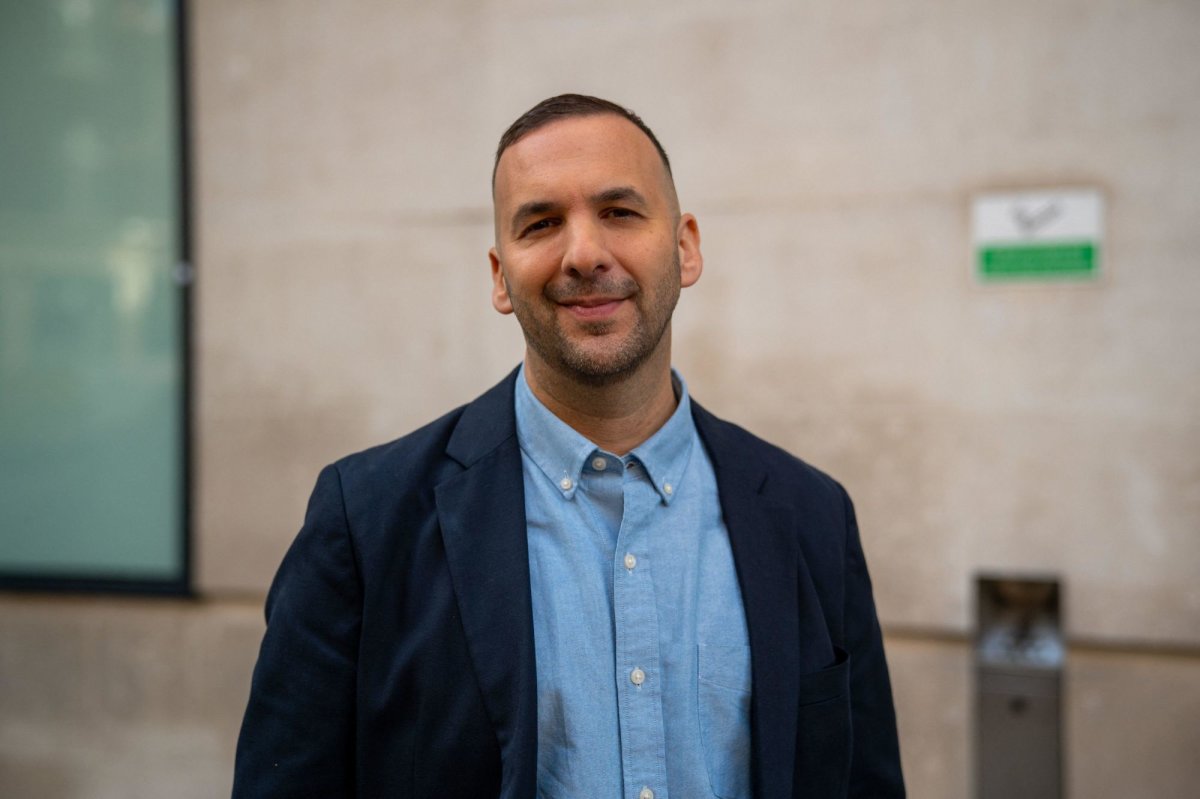
Green Party leader Zack Polanski has been criticised by some in his party for not turning up to vote through amendments to the ‘Zionism is racism’ motion (Alamy)

4 min read2 hr
The Labour Party is ending power-sharing arrangements with the Green Party in 11 local authorities across England over the Greens’ ‘Zionism is racism’ policy.

The Green Party formally adopted a motion at its autumn conference that declared ‘Zionism is racism’ as official party policy.
The motion triggered a widespread backlash, with Labour and other political parties calling the position antisemitic and some senior Green figures publicly expressing their opposition.
The motion, passed at the party’s conference in Brighton, triggered concerns about the safeguarding of Jewish community institutions that identify as Zionist, as well as the inclusion of a statement that there should be a single state throughout “historic Palestine”.
Last month, Prime Minister Andy Burnham said Labour would refuse to work with the Greens at national and local level as long as the motion remains in place.
In October, the Labour Party asked all Labour council groups with co-operation arrangements with Greens to write to their local Green Party leadership and demand a clear public statement within seven days rejecting the policy and calling on Green leader Zack Polanski to reconsider it.
All responses were then reviewed locally and by the National Executive Committee (NEC), Labour’s ruling body.
Chair of the Labour Party Bridget Phillipson said on Monday: “The Labour Party exists to deliver for communities across the country at all levels of government. Any local power-sharing arrangement cannot come at the expense of upholding the moral obligation we have to stand up for everyone in our communities and the values we share.
“Labour has been clear from the start that the “Zionism is Racism” policy crosses a line and we cannot work with any party that supports it – at any level of government.”
She added that she was “pleased” that some local Green Parties had opted to disavow the policy.
“The Labour Party fought hard to root out antisemitism within our own party and ensure it had no place in our politics,” Phillipson said.
“Our action is a demonstration of how today’s Labour Party will not shirk from the responsibility we have to uphold those same standards in our relationships with other parties.”
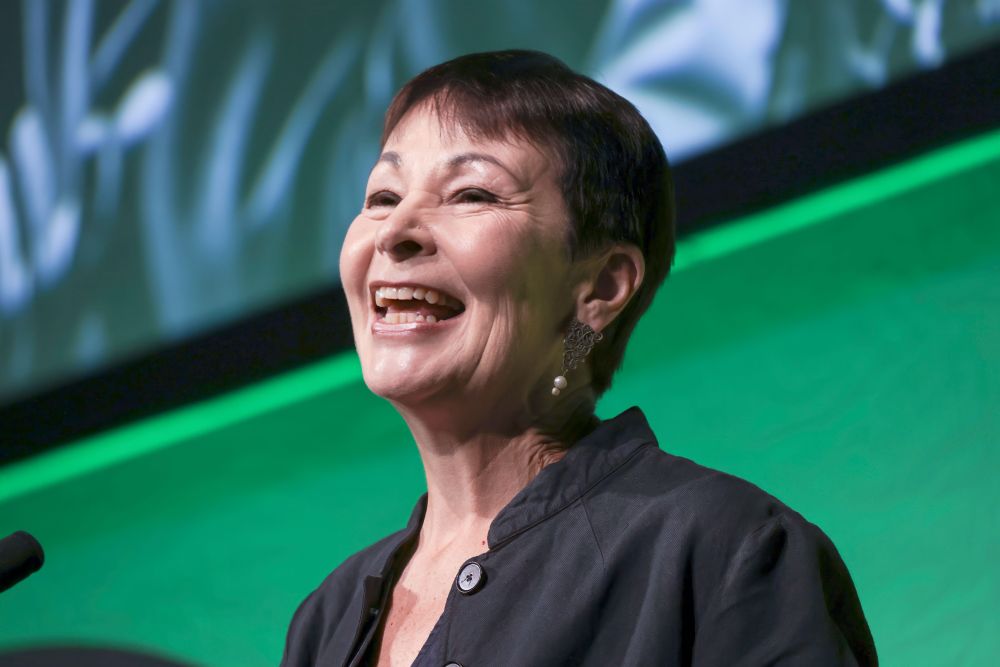
Rachel Millward, co-deputy leader of the Green Party and Leader of Wealden Council, said: “It is ironic that a Labour Prime Minister who made a promise to solve problems, not score points, has now shown he is willing to disrupt well-run councils for fear of Green success.
“Labour holds no moral high ground on the issue of Israel and Palestine. It is utterly irresponsible to conflate criticism of the actions of the state of Israel with antisemitism. Many Jewish people strongly reject the illegal actions of the current Israeli government. Palestinian freedom and Jewish safety are not competing principles and must not be treated as if they are.
“We are disappointed that Labour have chosen to undermine their councillors’ work for our communities.”
Labour has withdrawn local cooperation from the following councils after the conditions were not met by the Green local groups: Arun District Council, Derbyshire Dales District Council, Havant Borough Council, Lewes District Council, Sheffield City Council, Stafford Borough Council, Warwick District Council, Wealden District Council, West Devon Borough Council, and West Suffolk Council.
The conditions were also not met by the Green councillors on Coventry City Council, where the Labour minority administration had an informal arrangement with the Greens to pass votes through. Labour has said no formal arrangement will be made in future.
Labour and the Greens will continue cooperation on Broadland District Council, Monmouthshire County Council, North Somerset Council, Rother District Council, West Oxfordshire District Council, and West Sussex County Council, as well as in the West of England Combined Authority.
Meanwhile, Lib Dem leader Ed Davey has ruled out a “national partnership with any party that is committed to a dangerous and antisemitic policy like the Green Party’s”, but has not gone as far as to seek to end local partnerships.
The motion has also proved contentious within the Green Party itself, with senior figures including former leaders Caroline Lucas, Adrian Ramsay and Jonathan Bartley all publicly criticising the motion and its implications for Jewish communities.
Bartley told PoliticsHome that there is now a “toxicity of the Green Party brand” and that allegations of antisemitism, along with the “Zionism is racism” motion, “are clearly having an impact”.
PoliticsHome recently reported that Green Party figures are currently discussing ways to address concerns about the motion over the next few months.
The party is considering carrying out citizens’ juries, wider consultations and surveys of members to inform possible future amendments clarifying the policy, as well as potentially exploring changes to party decision-making rules.