
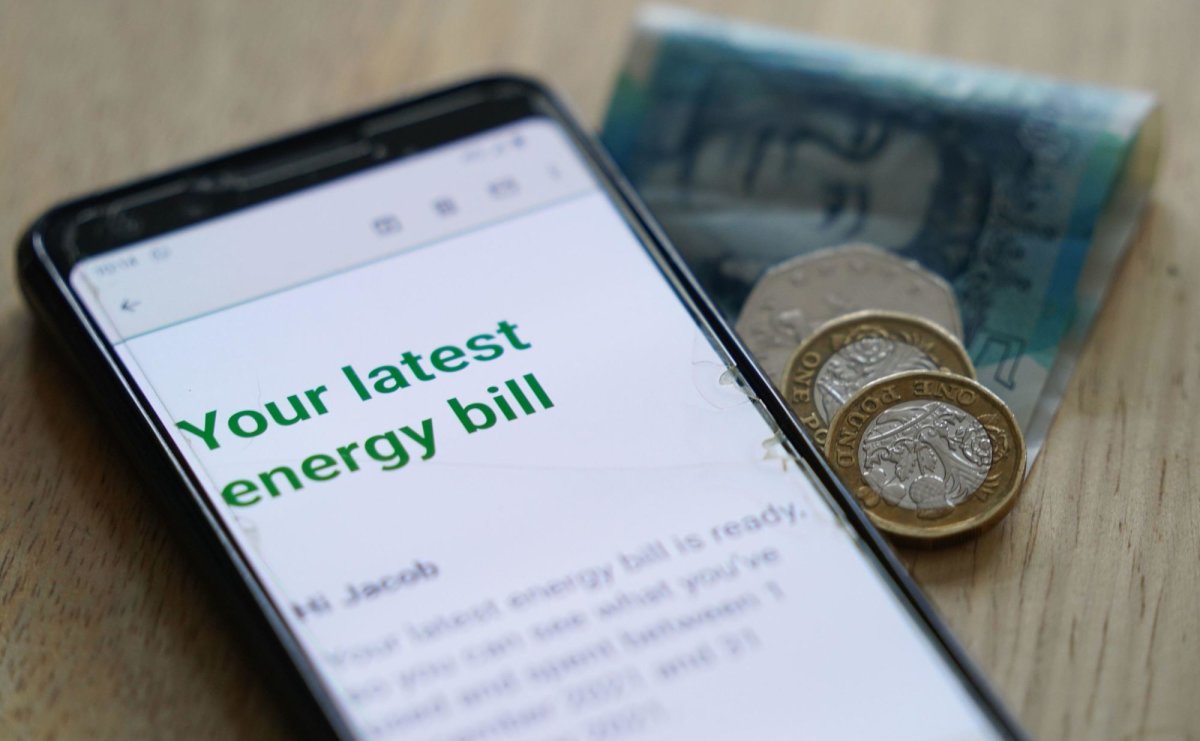
Prime Minister Andy Burnham told MPs he had ordered minsters to explore lifting standing charges on gas bills. (Alamy)

3 min read5 hr
The government is looking at removing standing charges from energy bills, Prime Minister Andy Burnham has announced.

Speaking in PMQs on Wednesday, Burnham said the decision to approve drilling at the Jackdaw gas field in the North Sea, confirmed earlier today, would allow ministers to do more to support people with energy costs.
He was responding to a question from Conservative Party leader Kemi Badenoch, who criticised how long it took the Labour government to green light more drilling at Jackdaw.
Burnham said that drilling at the Scottish site would “build a bridge to a renewable future” as well as allow the government “to do more to help people with bills”.
“I can tell the House today that I have asked the Chancellor and the Energy Secretary to look at whether we can remove standing charges from gas bills, and to report back to this House at the earliest opportunity,” the Prime Minister told MPs.
Standing charges are applied to energy bills regardless of how much energy a household uses, with the average daily charge currently at nearly 27p per day.
Environmental campaigners have criticised the Labour government’s decision to approve gas drilling at the Jackdaw site, claiming it flies in the face of the UK’s net zero ambitions. Green Party leader Zack Polanski said Labour had “abandoned all credibility in the fight against climate change.”
Speaking in PMQs, Burnham defended the move as a “pragmatic step” that did not undermine the country’s climate goals, and accused the Greens of an “ideological” approach. The PM added that it would also reduce the amount of energy imported from overseas.
Earlier today, Chancellor John Healey told broadcasters in Aberdeen, where the owners of Jackdaw are headquartered, that “the proceeds of this oil and gas coming ashore now can be invested for the future generations”.
The government says drilling at the Jackdaw site is expected to increase domestic gas production by 6 per cent at its peak, with the supply of gas to British homes and businesses starting from the end of this month.
Foreign Secretary Ed Miliband had ruled out new oil and gas licenses in the North Sea when he was Energy Secretary in the Keir Starmer government, arguing that it would not significantly bring down energy bills because oil and gas are sold on internal markets.
However, critics of this position argued that approving more gas production at the Scottish site would boost the UK’s domestic supply, protect industry jobs, and produce funds that can be reinvested in green infrastructure.