

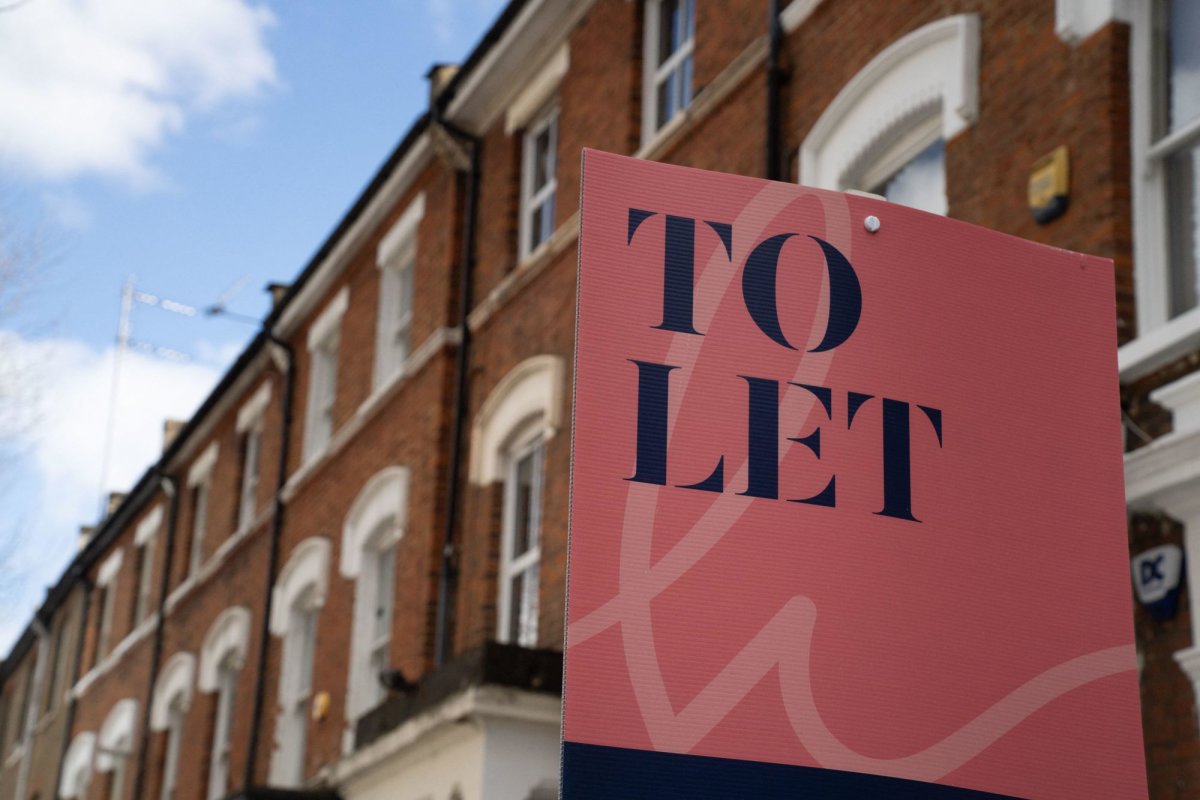
New research from the Trussell Trust shows a third of renters were unable to afford food in the last 12 months. (Alamy)

4 min read42 min
Nearly a third of private renters have not been able to buy food after running out, according to newly published data shared with PoliticsHome ahead of the Budget.

The research, carried out this summer for anti-poverty charity Trussell by pollsters Ipsos, has led to renewed calls for the Labour government to provide more support for private renters on lower incomes at next week’s fiscal event.
Helen Barnard, Trussell’s director of policy and research, told PoliticsHome that the “stark” and “shocking” findings, which will be released in full on Wednesday, show “the extent to which high rents are driving people into pretty desperate situations”.
Thirty per cent of private renters had run out of food and couldn’t afford to buy more in the previous months when surveyed between May and July this year.
One in five (19 per cent) told the online poll of 5,614 UK adults they had to cut back on food in the previous three months to afford essentials including housing costs, transport to work, or their heating.
Over half (54 per cent) of private renters who receive Local Housing Allowance (LHA) to help pay their rent had run out of food in the previous 12 months and couldn’t afford more, when asked by Ipsos this summer.
Private renters receiving LHA were also more likely than those not receiving the benefit to live in overcrowded accommodation (27 per cent versus 18 per cent); face unaffordable housing (24 per cent versus 13 per cent); feel insecure in their housing (22 per cent versus 10 per cent); and have problems with their landlord (15 per cent versus 7 per cent).
Trussell, supported by some Labour MPs, is calling for Prime Minister Andy Burnham and Chancellor John Healey to unfreeze LHA at next week’s Budget as a way of helping people on the lowest incomes deal with cost-of-living pressures.
LHA, which limits how much Universal Credit is paid to private renters, has been frozen since 2024. This has resulted in a real-terms value cut because rents have risen in that time.
The support was initially intended to cover the cheapest 30 per cent of private sector rents in each area, with claimants whose rent is higher paying the shortfall themselves.
However, it is now worth less than the 10th percentile of local rents in some areas, with many councils warning that the freeze is making rent increasingly unaffordable and pushing people into homelessness. Some Conservative-run councils support ending the freeze, despite party leader Kemi Badenoch’s pledge to further reduce LHA.
“We see a lot of people at food banks where one of the reasons they’ve had to come is because they have had to spend the food budget on rent, because they’re trying to keep up on rent because of that very real fear of homelessness,” Barnard told PoliticsHome.
She warned that things are likely to get worse for people “already stretched to breaking point” in the near future with the energy price cap expected to surpass £2,000 in January: “The next nine to 12 months are going to be really tough for people on low incomes.”
Last week, Rightmove reported that the average asking price of rents outside of London reached a new record high of £1,418 per month, a 1.5 per cent rise on the last quarter. Rents in London have also reached a new average of £2,825 per month, a 3.2 per cent rise.
Co-chair of the All Party Parliamentary Group (APPG) on homelessness, Labour Paula Barker, said ministers should uprate LHA and consider regulating rents, too.
“Whilst the Renters’ Rights Act was a brilliant step towards regulating a private rented sector that has long been out of control, it didn’t address one of the greatest barriers: rapidly rising rents.
“A roof over your head isn’t a luxury; it is a necessity, and it certainly shouldn’t prevent you from affording to eat. We absolutely need to uprate Local Housing Allowance, and arguably we need to go further than this and look seriously at regulating rents.”
Responding to the Trussell research, a government spokesperson told PoliticsHome: “We’re determined to turn the tide on poverty, and our recent statistics show that effort is making a difference – household incomes have risen 5 per cent in real terms, food bank usage has fallen, and food insecurity is down.
“To ease cost-of-living pressures, we have brought forward a wide range of measures including raising the National Minimum Wage, cutting costs on everyday essentials by suspending tariffs, launched a £1bn Crisis and Resilience Fund, invested more than £1bn in homelessness services, and committed a record £39bn to affordable and social housing.”